Can I Sue for a Motorcycle Accident in Pittsburgh if I Wasn’t Wearing a Helmet?
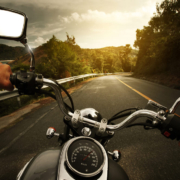
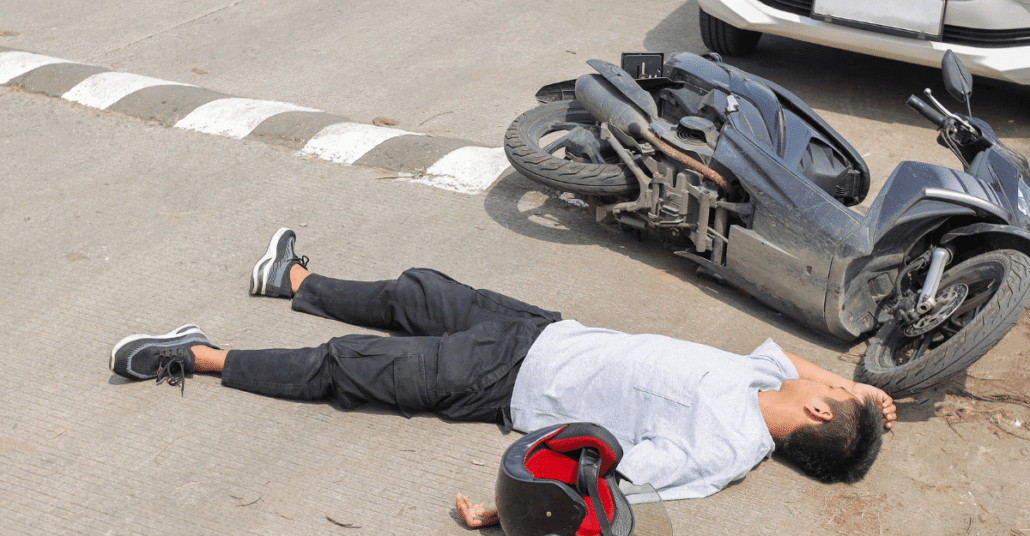
From the winding river views along the Ohio River Boulevard to the complex merges leading into the Fort Pitt Tunnel, Pittsburgh offers some of the most scenic and challenging riding in the Northeast. But for many bikers, the question of whether to wear a helmet is more than just a matter of personal comfort; it is a significant legal concern. Specifically, can an injured rider pursue compensation if they were not wearing a helmet at the time of the crash?
If you have been injured in a crash, you may worry that forgoing a helmet has stripped you of your right to seek justice.
Does Not Wearing a Helmet Prevent Me from Suing After a Pittsburgh Motorcycle Crash?
No, not wearing a helmet does not prevent you from suing a negligent driver in Pennsylvania. Even if you were not wearing headgear, you can still pursue a claim for medical bills, lost wages, and pain and suffering if another party caused the accident.
In Pennsylvania, your right to recover compensation is governed by a system called modified comparative negligence. This means that as long as you are not more than 50% responsible for the accident itself, you can still collect damages. While a defense attorney might argue that your lack of a helmet made your injuries worse, this typically only impacts the amount of compensation you receive for head or neck injuries, not your ability to file a lawsuit for the crash.
- You retain the right to sue for injuries regardless of whether you were wearing a helmet at the time of the accident.
- The primary focus of the lawsuit will remain on determining who was at fault and caused the collision.
- The absence of a helmet is completely irrelevant to many common motorcycle accident injuries, such as broken bones, road rash, and internal injuries that are sustained in the rest of the body.
- Having experienced legal counsel can be crucial in preventing insurance companies from attempting to unfairly shift blame for your injuries simply because you were not wearing a helmet.
How Does Pennsylvania’s Helmet Law Apply to My Case?
Pennsylvania does not have a universal helmet law for all riders. Since 2003, the Commonwealth has allowed certain experienced adult riders the freedom to choose whether or not to wear protective headgear. Whether you were legally required to wear a helmet depends on your age and your riding history at the time of the incident.
Under current Pennsylvania statutes, you are legally exempt from wearing a helmet if:
- You are at least 21 years of age.
- You have held a valid motorcycle license for at least two full calendar years.
- OR you have successfully completed a motorcycle safety course approved by PennDOT or the Motorcycle Safety Foundation.
If you meet these criteria, you were in full compliance with the law. However, even if you were legally required to wear a helmet (for instance, if you were under 21 or a new rider) and failed to do so, you are not barred from seeking compensation. It simply means the defense has a stronger platform to argue that you contributed to the severity of your own injuries.
Understanding Comparative Negligence and the Helmet Defense
The most common tactic used by insurance adjusters in Pittsburgh is the “helmet defense.” They will acknowledge their driver hit you but claim that your medical bills from Allegheny General Hospital or UPMC Mercy wouldn’t be so high if you had been wearing a DOT-approved helmet.
The Mitigation of Damages
In legal terms, this is known as a failure to “mitigate damages.” The defense bears the burden of proving that a helmet would have actually prevented or lessened the specific injury you sustained. For example, if you suffered a shattered leg after being side-swiped on Saw Mill Run Boulevard, the lack of a helmet has zero bearing on that injury. A helmet protects the skull, not the limbs.
Calculating the Percentage of Fault
If a jury determines you were 20% responsible for the severity of your head injury because you chose not to wear a helmet, your total award would be reduced by 20%. If your total damages were $100,000, you would receive $80,000. Our job is to use biomechanical experts and medical testimony to prove that the impact forces were so severe that a helmet would not have changed the outcome, or that the other driver’s negligence was the sole meaningful cause of your harm.
Common Hazards for Pittsburgh Motorcyclists
Pittsburgh’s unique geography creates specific risks that often lead to motorcycle accidents. We frequently see cases originating from well-known “danger zones” across Allegheny County:
- Steel Grate Bridges: Bridges throughout Pittsburgh, such as the historic Smithfield Street Bridge or the 16th Street Bridge, feature open steel grate decks. These surfaces can be incredibly treacherous for two-wheeled vehicles, especially when wet from rain or snowmelt, causing tires to lose traction and leading to loss of control or skidding.
- The “Pittsburgh Left”: This dangerous, illegal but very common local driving maneuver involves a driver turning left immediately when a traffic light turns green, often cutting off or directly colliding with oncoming traffic. This often results in severe T-bone collisions with motorcyclists who have the right-of-way.
- Blind Curves in Hilly Terrain: Pittsburgh is a city built on hills, and neighborhoods like Mount Washington, Troy Hill, and the South Side Slopes have steep, winding roads. These conditions create numerous blind curves where visibility is severely limited for both riders approaching at speed and drivers pulling out or crossing traffic, increasing the risk of head-on or side-swipe accidents.
- Complex Merges: Highly congested areas and complex roadway designs create accident hotspots. The “Bathtub” area of I-376 (the Parkway East) and the various tight, quick ramps connecting the Liberty Bridge to the Crosstown Boulevard (I-579) are notorious for lane-change and rear-end accidents involving motorcycles.
What Should I Do Immediately After a Motorcycle Accident in Pittsburgh?
If you are involved in a crash, your priority is medical stabilization. Call 911 immediately so the Pittsburgh Bureau of Police or Pennsylvania State Police can file an official report. Even if you believe you are unhurt, the adrenaline of a crash can mask symptoms of internal bleeding or traumatic brain injury (TBI).
Once you are safe, take the following steps to protect your legal rights:
- Document the Scene: Take photos of your bike, the other vehicle, and any road hazards like potholes or faded line markings. Be sure to capture multiple angles and close-ups to illustrate the extent of the damage and the circumstances of the crash.
- Identify Witnesses: Gather contact information (name, phone number, and email address) from bystanders or other drivers near the intersection of Grant Street and Liberty Avenue where the crash occurred. Their independent accounts can be invaluable to your case.
- Preserve Your Gear: If you were wearing a helmet, leather jacket, gloves, or any other protective clothing, do not throw them away or attempt to repair them. They serve as vital physical evidence of the point of impact and can demonstrate your safety consciousness. Store them carefully in a clean, dry place.
- Avoid Recorded Statements: Insurance adjusters for the other driver may call you within 24 hours of the accident. Politely decline to give a recorded statement or sign any documents until you have consulted with an attorney who can protect your rights and interests. Stick to providing only your basic contact and insurance information.
Seeking Compensation for Your Injuries
Motorcycle accidents often result in life-altering consequences. We fight to ensure that our clients receive the full spectrum of damages allowed under Pennsylvania law. This includes:
- Economic Damages: Coverage for all past and future medical care, including hospital stays, prescription medications, emergency room visits, necessary surgeries, ongoing physical therapy at specialized centers like UPMC Passavant, and crucial modifications to your home or vehicle if you suffer a permanent disability that impacts your mobility.
- Lost Wages: Compensation for the income you have already lost due to time missed at work and the loss of future earning capacity, which accounts for the difference between what you would have earned and what you are now projected to earn if you can no longer return to your previous profession or must take a lower-paying job.
- Non-Economic Damages: This covers the “human” cost of the accident—your physical pain, emotional distress, mental anguish, scarring or disfigurement, and the loss of enjoyment of life, which recognizes the inability to participate in hobbies, activities, and relationships as you did before the injury.
Contact Caroselli, Beachler & Coleman Today
Navigating a motorcycle accident claim in Allegheny County requires a deep understanding of local courts and insurance tactics. At Caroselli, Beachler & Coleman, we believe that your choice of safety gear should not give negligent drivers a “free pass” for the harm they cause. Whether your accident happened on the Parkway East, Route 28, or a quiet street in Shadyside, we are ready to listen to your story and explain your options. We offer free, no-obligation consultations to help you understand the strength of your case and how we can help you move forward.
Contact our Pittsburgh office at 866-565-4949 or complete our online contact form to schedule your consultation today.
Service Area Disclaimer
Caroselli, Beachler & Coleman serves clients in Pittsburgh and communities across Western Pennsylvania, including Monroeville, McKeesport, Bethel Park, Mt. Lebanon, Cranberry Township, Butler, Washington, Canonsburg, Greensburg, New Kensington, Uniontown, New Castle, Hermitage, Meadville, Indiana, Kittanning, Beaver, Aliquippa, Latrobe, Murrysville, Peters Township, and Moon Township. We represent individuals throughout Allegheny, Beaver, Butler, Washington, Westmoreland, Fayette, Armstrong, Indiana, Lawrence, Mercer, Crawford, Clarion, Greene, Venango, Somerset, and Cambria Counties.