How Do Commercial Truck Accidents Differ from Car Accidents in Pittsburgh?
Driving alongside a massive 18-wheeler on the steep, winding inclines of Troy Hill or merging next to a tractor-trailer on the congested corridors of the I-376 Parkway naturally creates a heavy wave of anxiety. When that 80,000-pound vehicle collides with a standard automobile, the resulting devastation changes lives permanently. The moments immediately following the collision are disorienting and chaotic, filled with the flashing lights of emergency vehicles and the sudden onset of physical pain.
Why Are The Physical Consequences Of A Semi-Truck Crash More Severe?
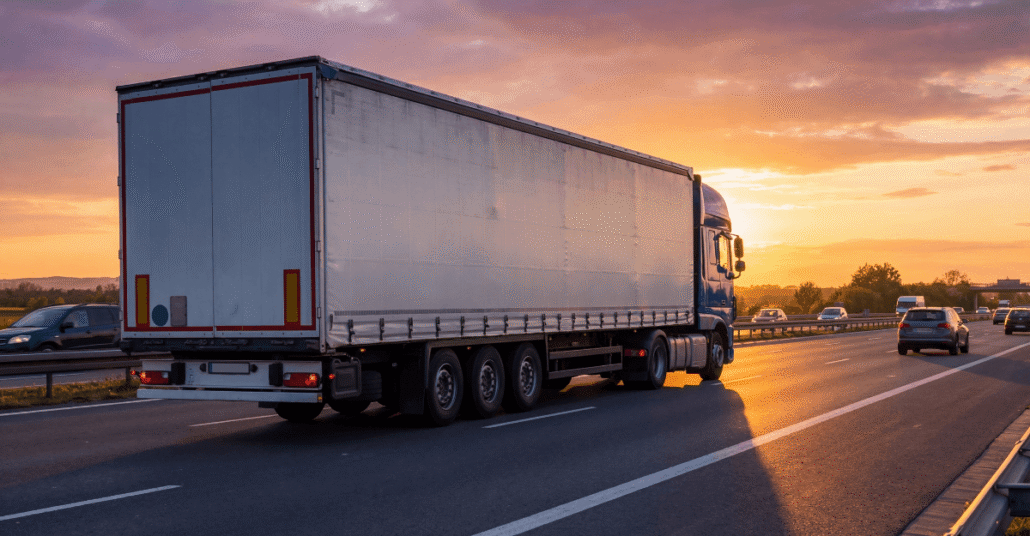
Commercial trucks can weigh up to 80,000 pounds, making them roughly 20 times heavier than standard passenger vehicles. This massive size disparity means collisions frequently result in catastrophic injuries requiring prolonged treatment at trauma centers, whereas standard car accidents more commonly involve minor property damage and whiplash.
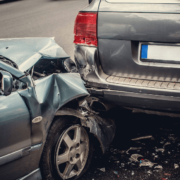
Physics dictates the extreme severity of the impact. A fully loaded tractor-trailer traveling down the winding stretches of Route 28 during our frequent winter storms generates immense momentum. Standard passenger vehicles simply cannot withstand that force. The structural integrity of a car collapses under the weight of a commercial trailer, often leading to underride accidents where the smaller vehicle is crushed beneath the rig. Victims frequently require immediate transport and life-saving surgical intervention at local Level 1 trauma centers such as UPMC Presbyterian, UPMC Mercy, or Allegheny General Hospital.
The physical trauma extends far beyond the typical whiplash seen in minor fender-benders. Injured individuals face years of rehabilitation, and many never return to their previous quality of life. Common catastrophic injuries sustained in these major collisions include:
- Traumatic brain injuries require extensive, long-term cognitive therapy.
- Spinal cord damage resulting in partial or total paralysis necessitates wheelchair accessibility modifications to your home.
- Severe lacerations, road rash, and burns leading to significant permanent scarring and disfigurement.
- Internal organ trauma that is frequently masked by initial surges of adrenaline at the accident scene.
- Crushed limbs requiring surgical amputation and customized prosthetics.
Who Can Be Held Liable Following A Commercial Truck Collision?
Unlike a standard auto accident, where liability typically falls solely on the at-fault driver, commercial truck crashes often involve multiple liable parties. Victims can pursue claims against the truck driver, the employing trucking company, the freight loader, or the vehicle manufacturer under the legal doctrine of vicarious liability.
Determining fault requires untangling a complex web of corporate relationships. A standard intersection crash in Oakland usually involves just two drivers and their respective personal insurance companies. Big rig crashes invoke the legal principle of respondeat superior, meaning employers bear financial responsibility for the negligent actions of their workers while on duty. Civil juries and insurance adjusters must evaluate the actions of everyone involved in the transportation supply chain to assign a specific percentage of liability.
In commercial litigation, liability frequently extends to multiple entities at once. We look beyond the driver to identify every party that contributed to the dangerous condition:
- The motor carrier is failing to vet drivers properly, ignoring past DUI convictions or speeding tickets before hiring.
- Third-party logistics companies and warehouse staff improperly secured heavy cargo, causing the trailer to roll over on a curve.
- Maintenance contractors are ignoring worn brake pads, bald tires, or driving with broken taillights during nighttime hours.
- Manufacturers are producing defective steering components or faulty air brakes that fail during an emergency stop.
- Freight brokers are pushing drivers to meet impossible delivery deadlines, resulting in widespread fatigue.
What Federal Regulations Govern Truck Drivers In Pennsylvania?
Commercial truck drivers operating in Pennsylvania must comply with strict Federal Motor Carrier Safety Administration rules. These regulations mandate mandatory rest periods through Hours of Service laws, regular vehicle maintenance schedules, strict weight limits, and routine drug testing to prevent driver fatigue and mechanical failures.
Everyday drivers navigating the confusing intersection geometries where Forbes and Fifth Avenues cross do not operate under federal oversight. Motor carriers, however, must follow comprehensive safety standards designed to protect the public. The federal government explicitly restricts how long a driver can remain behind the wheel. Violations of the federal hours of service regulations often provide clear evidence of negligence. For example, property-carrying drivers are limited to 11 hours of driving after 10 consecutive hours off duty. When a fatigued driver rear-ends stopped traffic because they bypassed mandatory rest breaks, the carrier faces severe liability.
Furthermore, commercial drivers face much stricter sobriety standards. In Pennsylvania, a blood alcohol concentration of 0.04 percent constitutes a violation for commercial license holders, compared to the 0.08 percent limit for passenger vehicles. Motor carriers must also implement random drug and alcohol testing for their fleets. Discovering that a company failed to conduct these mandatory background checks drastically changes the trajectory of a civil lawsuit.
How Does Evidence Collection Differ In A Big Rig Crash?
Evidence in a commercial truck crash disappears rapidly and requires immediate preservation. Unlike passenger cars, commercial vehicles contain electronic logging devices, black box data, dashcam footage, and maintenance records that trucking companies may legally destroy if a spoliation letter is not issued promptly.
Gathering evidence at the scene is absolutely vital for protecting your future legal claim, especially when fault is fiercely contested. Standard crashes rely heavily on the Pittsburgh Bureau of Police creating an official accident report to document weather conditions and basic scene photos. Commercial cases demand intense, immediate forensic analysis. In urban environments like Pittsburgh, vital evidence disappears quickly; skid marks wash away, construction zones change, and witnesses forget crucial details.
The legal team secures critical computer data downloaded from the vehicles’ event data recorders to definitively prove the exact speed, braking patterns, and steering angles at the moment of impact. They promptly issue legally binding spoliation letters to prevent the trucking company from erasing electronic logs or disposing of defective vehicle parts before our accident reconstruction specialists can review them. They also prioritize securing traffic camera footage from PennDOT or local municipalities before it is automatically overwritten, as well as subpoenaing private security camera footage from businesses along the accident corridor.
Why Do Trucking Company Insurance Adjusters Move So Quickly?
Motor carriers employ rapid response teams of insurance adjusters and investigators who frequently arrive at the crash scene within hours. Their primary goal is to minimize the company’s financial exposure by securing favorable witness statements and controlling the accident narrative before the victim seeks legal representation.
Corporate insurance carriers are highly motivated to push your assigned fault across the 51 percent threshold, which, under Pennsylvania’s modified comparative negligence rule, would completely bar you from recovering any compensation. They will heavily scrutinize your actions leading up to the impact to shift the blame onto you. Adjusters are trained to look for inconsistencies in your story, systematically comparing recorded statements to your emergency room intake notes.
If you mention to an ER nurse that you were in a hurry, or if there is any suggestion of distractions inside the vehicle, such as looking at a phone or adjusting the radio, the adjuster will aggressively use that medical record to argue you share a higher percentage of the blame. Because the investigation phase is highly adversarial, allowing a legal professional to manage all communication with the insurance carriers protects your interests. Never provide a recorded statement, speculate about your own degree of fault, or apologize to these investigators in the chaotic aftermath of the collision, as your statements will be taken out of context to increase your liability percentage.
How Do Commercial Insurance Policies Impact Financial Recovery?
Commercial trucking companies carry massive insurance policies, often with limits exceeding one million dollars, as mandated by federal law. While this provides a larger potential pool for financial recovery, it also guarantees that insurance carriers will aggressively fight claims to protect their significant financial assets.
The financial stakes alter the entire negotiation and litigation process. Compensation is fundamentally designed to make the injured victim whole by addressing both the direct financial losses and the profound impact on their quality of life. Injured individuals may recover comprehensive economic damages, providing reimbursement for past and future medical costs, emergency room care, long-term physical therapy, and the paychecks missed while recovering at home. If a permanent disability prevents you from returning to your previous career, you are entitled to claim the difference in your lifetime earning capacity.
Non-economic damages address the intangible consequences of the crash, including compensation for the physical agony endured, emotional distress such as post-traumatic stress, and the loss of enjoyment of life. Because commercial insurance policies are so substantial, corporate defense lawyers fight aggressively to deny liability. They routinely argue comparative negligence, attempting to prove you were traveling above the posted speed limit, failing to use turn signals when merging, or following the lead vehicle too closely to allow for a safe braking distance.
Will My Pennsylvania Tort Selection Affect a Trucking Claim?
Your choice of Limited Tort or Full Tort insurance in Pennsylvania generally impacts your right to sue for pain and suffering. However, if you are injured while riding as a passenger in a commercial vehicle, or if your injuries meet the serious impairment threshold, you automatically regain Full Tort rights.
When evaluating a shared fault accident, it is necessary to examine your own auto insurance policy, specifically your selection of tort coverage. Pennsylvania allows drivers to choose between Full Tort and Limited Tort insurance options, dictating what types of damages you are legally permitted to seek. Limited Tort saves policyholders money on their monthly premiums, but it heavily restricts the right to sue for pain and suffering.
However, there are critical exceptions to the Limited Tort restriction that frequently arise in local commercial claims. If a negligent motor carrier strikes you, and your physical trauma is severe enough to be classified as a serious impairment of body function, you bypass the Limited Tort restriction completely and automatically regain Full Tort rights. You also immediately regain Full Tort rights if you were injured while riding as a passenger in a commercial vehicle, or if the at-fault commercial vehicle is uninsured or underinsured, which is a common occurrence given our close proximity to Ohio and West Virginia.
What Are the Time Limits to File a Truck Accident Lawsuit in Allegheny County?
Victims generally have two years from the date of the collision to file a personal injury lawsuit in Pennsylvania. However, if the commercial vehicle is owned by a government entity, such as a transit bus or municipal truck, you must file a formal notice of intent to sue within six months.
Under Pennsylvania law, missing this critical statute of limitations typically results in a permanent bar to recovering any compensation for your injuries and property damage. While two years may sound like a substantial amount of time, waiting to initiate an investigation is a serious tactical error. Filing a lawsuit officially moves your case into the Pennsylvania court system.
Furthermore, if the vehicle that struck you was a municipal vehicle such as a City of Pittsburgh garbage truck, a Port Authority of Allegheny County (PAT) bus, or a local police cruiser, the rules change drastically. For claims involving these specific government entities, you generally must file a formal notice of intent to sue within six months of the incident. Missing this much shorter administrative deadline can completely destroy your claim before the standard two-year statute of limitations even approaches. If your accident occurred in the Greater Pittsburgh area, your filings and subsequent litigation will likely be handled at the Allegheny County Court of Common Pleas, located in the City-County Building on Grant Street.
Rebuilding Your Life After a Complex Collision
Being involved in a crash is deeply traumatic, and dealing with a massive commercial insurance company attempting to blame you for the incident only compounds that stress. The attorneys at Caroselli, Beachler & Coleman have the resources and local knowledge required to protect your rights, untangle complex corporate liability disputes, and pursue the comprehensive compensation your physical recovery demands. If you have questions about the strength of your case or how liability is apportioned, we are here to provide clear, straightforward answers. Most personal injury attorneys work on a contingency fee basis, which means you do not pay any attorney’s fees unless we win your case.
Contact our office today to schedule a free, no-obligation consultation. We can help you understand your legal options and begin the rigorous process of moving forward.
Frequently Asked Questions
Are commercial truck drivers subject to different alcohol limits in Pennsylvania?
Commercial drivers operate under much stricter sobriety standards than the general public. While standard passenger vehicle drivers face a legal limit of 0.08 percent, a commercial driver holding a CDL violates the law with a blood alcohol concentration of just 0.04 percent. This lower threshold reflects the extreme danger that intoxicated trucking poses to local highway safety.
Can I sue the trucking company if the driver is an independent contractor?
Motor carriers frequently label their drivers as independent contractors to shield the corporation from financial liability, but federal regulations often override these internal classifications. If the carrier controlled the driver’s schedule, provided the vehicle, or required the load to be moved under their specific operating authority, the company can often still be held financially responsible for the crash.
What is a spoliation letter and why do I need one?
A spoliation letter is a formal legal demand sent to the trucking company immediately after a crash, strictly instructing them not to destroy, overwrite, or alter any evidence. Without this binding document, motor carriers can legally delete electronic logging data, overwrite internal dashcam footage, or repair the damaged vehicle before independent safety inspectors can evaluate it.
How long does it take to settle a commercial truck accident claim in Pittsburgh?
Complex commercial claims take significantly longer to resolve than standard car accidents due to the catastrophic severity of the injuries and the multiple corporate parties involved. Cases requiring extensive accident reconstruction, multiple expert depositions, and ongoing medical evaluations can take anywhere from several months to a few years to reach a fair settlement or trial verdict.
What should I do in the first 24 hours after a crash with an 18-wheeler?
Immediately move to a safe location out of traffic and dial 911 to request the police and EMS. Seek an immediate evaluation at a local trauma center, thoroughly document the scene with photos if you are physically able to do so safely, and collect witness contact information before ever speaking with corporate insurance adjusters.