Driving Dangers During the Holidays in Pittsburgh
The holiday season in Pittsburgh brings with it a unique kind of energy. The lights at Point State Park, the festive crowds in Market Square, and the general sense of celebration create a vibrant atmosphere. However, this season also ushers in some of the most challenging and dangerous driving conditions of the entire year. The combination of increased traffic, unpredictable weather, and a festive spirit that can sometimes lead to poor judgment transforms our familiar roads and highways into high-risk environments.
Why Does Car Accident Risk Increase During the Holidays?
The period from Thanksgiving through New Year’s Day consistently ranks as one of the deadliest times on American roads. Several factors converge to create this heightened risk, many of which are amplified by the unique geography and climate of Western Pennsylvania.
- Increased Traffic Volume: Major arteries like the Parkway East (I-376), I-279, and Route 28 become saturated with vehicles. This includes not only daily commuters but also holiday shoppers, visitors, and long-distance travelers heading to see family. Higher traffic density naturally leads to a greater probability of collisions.
- Impaired Driving: Holiday parties and family gatherings often involve alcohol. Despite widespread awareness campaigns, drunk driving incidents spike between Christmas and New Year’s. This is compounded by the increasing prevalence of drugged driving, including impairment from recreational cannabis or prescription medications.
- Driver Fatigue: The holidays are exhausting. People travel long distances, stay up late at social events, and deal with the stress of preparations. Drowsy driving can be just as dangerous as drunk driving, significantly slowing reaction times and impairing judgment. A fatigued driver navigating the twists and turns of Route 51 is a serious hazard.
- Distracted Driving: Drivers are often mentally preoccupied with holiday to-do lists. Furthermore, they may be using their phones to navigate to unfamiliar locations, coordinate with family, or change holiday music. This cognitive and visual distraction pulls their focus from the primary task of driving safely.
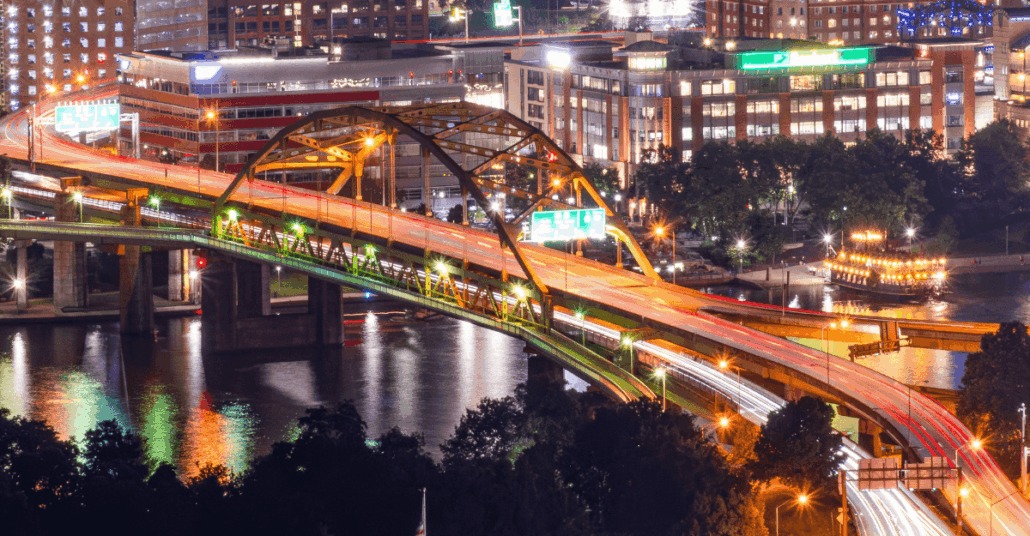
- Inclement Weather: Pittsburgh’s winter weather is notoriously fickle. A single day can bring rain, snow, sleet, and freezing temperatures, creating treacherous conditions like black ice, especially on bridges like the Fort Duquesne Bridge or on shaded, hilly roads throughout Allegheny County.
What Are the Unique Holiday Driving Risks in the Pittsburgh Area?
While the general risks are universal, driving in and around Pittsburgh during the holidays presents a distinct set of challenges that residents know all too well. Navigating our city requires a level of local knowledge and caution that visitors may not possess.
Challenging Roadways and Infrastructure:
Our region is defined by its hills, tunnels, and bridges. These features become particularly hazardous in winter. The Fort Pitt and Liberty Tunnels can create sudden changes in visibility and road surface conditions. A wet road entering a tunnel can become an icy one upon exiting into a colder, shaded area. Bridges are notorious for freezing before roadways, and Pittsburgh has more than 400 of them.
Specific High-Risk Areas:
- The Parkway East (I-376): The combination of heavy traffic, frequent bottlenecks at the Squirrel Hill Tunnel, and complex interchanges makes this a perennial site for accidents.
- Route 28: Known for its narrow lanes and limited shoulders in certain stretches, Route 28 becomes even more dangerous when snow and ice reduce the margin for error.
- McKnight Road and Route 19: These major commercial corridors in the North Hills are swamped with shoppers, leading to stop-and-go traffic, frustrated drivers, and a high number of rear-end and lane-change collisions.
- The South Hills: Roads like Banksville Road and Route 88 are characterized by steep grades and sharp curves that are difficult to navigate safely in snowy or icy conditions.
What Types of Collisions Are Most Common During the Holidays?
The conditions present during the holiday season often lead to specific types of accidents. Understanding these patterns can help drivers be more vigilant.
- Rear-End Collisions: In heavy, stop-and-go traffic, distracted or following too closely is a recipe for a rear-end crash. This is especially common in the shopping districts and on congested highway approaches.
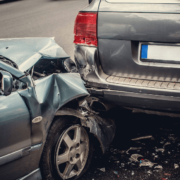
- Loss-of-Control Accidents: Black ice or slush can cause a driver to lose traction and spin out of control. These incidents frequently occur on bridges, overpasses, and exit ramps where temperatures can drop suddenly. The resulting collisions can involve single vehicles hitting a guardrail or multi-car pile-ups.
- Intersection Accidents: Drivers rushing to get to a store or a party may run red lights or make aggressive turns. Disagreements over right-of-way at busy intersections like those along Baum Boulevard can lead to serious T-bone accidents.
- DUI-Related Head-On Collisions: Impaired drivers are more likely to drift out of their lane, cross the center line, and cause a catastrophic head-on or sideswipe crash. These are among the most severe types of accidents.
- Parking Lot Accidents: Shopping center parking lots at places like Ross Park Mall or The Waterfront become chaotic. Fender-benders, back-over accidents, and collisions involving pedestrians are extremely common as drivers compete for limited spaces.
How Does Weather Contribute to Holiday Driving Dangers?
Pittsburgh’s winter weather is a formidable opponent for any driver. It is not just about heavy snowfall; a variety of conditions can make driving hazardous.
- Black Ice: This is one of the most insidious winter driving dangers. Black ice is a thin, transparent layer of ice that is difficult to see. It often forms in the early morning or late evening when temperatures hover around the freezing mark. Shaded spots and elevated structures are prime locations for black ice.
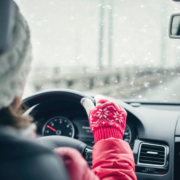
- Snow and Slush: Heavy snowfall reduces visibility and covers lane markings. Even after plows have been through, the remaining slush can pull a vehicle’s tires, making steering difficult. Drivers often fail to adjust their speed for these conditions, leading to preventable accidents.
- Freezing Rain and Sleet: An accumulation of freezing rain can coat a vehicle’s windshield and the road surface in a sheet of ice, making braking and steering nearly impossible.
- Fog: Pittsburgh’s river valleys are prone to dense fog, which can drastically reduce visibility, especially during morning commutes or late at night. The stretch of I-79 near the Neville Island Bridge is a known area for sudden, thick fog.
PennDOT and the Pennsylvania Turnpike Commission work to treat roads, but in a heavy storm, they cannot be everywhere at once. It is the driver’s responsibility to adjust to the conditions. This means slowing down significantly, increasing following distance, and avoiding sudden maneuvers.
What Should I Do After a Holiday Car Accident in Pittsburgh?
The moments after a crash are jarring, but the steps you take are important for your health and any future legal claim.
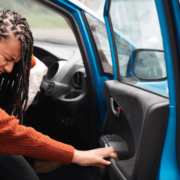
- Prioritize Safety and Health: Your first priority is health. Check yourself and your passengers for injuries. If anyone is hurt, call 911 immediately. If you are able, move your vehicle out of active traffic lanes to a safe location like the shoulder to prevent a secondary collision.
- Contact the Police: Always report the accident to the police, whether it is the Pittsburgh Police, Pennsylvania State Police, or a local suburban department. An official police report is a vital piece of evidence. The responding officer will document the scene, gather information, and may make an initial determination of fault.
- Gather Evidence at the Scene: If you are not seriously injured, document everything. Use your smartphone to take pictures and videos of the vehicle damage, the accident scene from multiple angles, any skid marks, and relevant road signs or traffic signals.
- Look for Witnesses: Independent witnesses can provide an unbiased account of what happened. If anyone saw the crash, politely ask for their name and phone number. Their statement could be invaluable later.
- Exchange Information: Get the other driver’s name, address, phone number, driver’s license number, and insurance information. Provide them with your information as well. Remain calm and avoid admitting fault or apologizing, as these statements can be used against you.
- Seek Medical Attention: Even if you feel fine, it is wise to get a medical evaluation. Adrenaline can mask injuries like whiplash or internal bleeding that may not become apparent for hours or days. Go to an emergency room at a hospital like UPMC Mercy or have your primary care physician check you out. This creates a medical record linking any injuries to the accident.
- Notify Your Insurance Company: Report the accident to your own insurance provider promptly. Stick to the facts of what happened and avoid speculation.
How Is Fault Determined in a Winter Weather Accident?
Many drivers mistakenly believe that if an accident happens during a snowstorm or on an icy road, no one can be held at fault because the weather was to blame. This is incorrect under Pennsylvania law.
All drivers have a legal duty to operate their vehicles in a safe manner appropriate for the prevailing conditions. This means if the road is icy, a driver must slow down to a speed that is safe for that condition, regardless of the posted speed limit.
Fault in a weather-related accident is often established by proving another driver was negligent. This could involve demonstrating that the other driver was:
- Driving too fast for conditions.
- Following too closely to stop in time on a slick surface.
- Making an unsafe lane change.
- Operating a vehicle with bald tires or other unsafe equipment.
Proving this negligence often requires a thorough investigation that goes beyond the initial police report. An experienced attorney can use evidence like accident reconstruction, witness statements, and vehicle data to show that another party’s failure to adjust to the weather was the true cause of the crash.
Contact Our Pittsburgh Car Accident Lawyers for a Free Consultation
A car accident during the holidays can turn a time of celebration into one of stress, pain, and financial worry. The attorneys at Caroselli, Beachler & Coleman have spent decades helping injured people across Pittsburgh and Pennsylvania navigate the complexities of personal injury law. We are dedicated to conducting thorough investigations, standing up to insurance companies, and building the strongest possible case for every client we represent. If you were injured in a holiday car accident, we invite you to contact our office today at 866-565-4949 for a free, confidential consultation to discuss your situation. We can help you determine the best path forward.