
Can I Sue If I Was Injured as a Passenger in Someone Else’s Car?
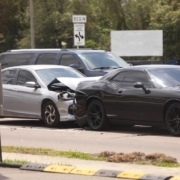
The moments following a car crash are disorienting and chaotic, especially when you are sitting in the passenger seat. You have no control over the vehicle, yet you absorb the full physical force of the sudden impact. The flashing lights of emergency vehicles on the I-376 Parkway and the sudden onset of back and neck pain naturally create a heavy wave of anxiety. As you face emergency room bills, intense physical therapy, and missed paychecks, you might wonder who is legally responsible for your financial recovery. You did not cause the crash, and you should not have to bear the financial burden of someone else’s reckless driving. If you find yourself in this position, pursuing passenger injury claims after a car accident ensures that your medical costs and lost income are covered by the responsible party’s insurance.
How Does Pennsylvania’s No-Fault Law Apply To Injured Passengers?
Under Pennsylvania’s no-fault system, an injured passenger’s medical bills are typically covered by their own car insurance policy first, regardless of who caused the accident. If the passenger does not own a car or live with an insured relative, the policy of the vehicle’s owner covers the medical expenses.
The Pennsylvania Motor Vehicle Financial Responsibility Law sets the foundation for how medical bills are paid after a crash. Many people mistakenly assume the at-fault driver’s insurance immediately pays the emergency room invoices. Instead, your own auto policy’s Personal Injury Protection coverage is always first in line. The minimum requirement in the state is five thousand dollars of coverage. This no-fault system guarantees that you can receive immediate treatment at local trauma centers like UPMC Presbyterian or Allegheny General Hospital without waiting months for the corporate insurance companies to debate liability.
If you do not have an active auto policy, the legal system outlines a specific order of priority to ensure you receive necessary medical care.
The coverage automatically falls to:
- The auto policy of a relative you currently live with
- The auto policy covering the vehicle you were riding in at the time of the crash
- The auto policy of any other vehicle involved in the collision
This structure prevents billing delays and hospital collection actions, allowing you to focus completely on your physical rehabilitation instead of worrying about mounting debt.
Can I Sue The Driver Of The Car I Was Riding In?
Yes, you can sue the driver of the car you were riding in if their negligence caused the accident. Since drivers owe a duty of care to their passengers, an injured occupant can file a bodily injury claim against the at-fault driver’s liability insurance to recover damages.
Sitting in the passenger seat means you trust the driver with your physical safety. All motorists operating a vehicle owe a strict legal duty of care to their passengers and everyone else sharing the road. When the person behind the wheel breaches that duty by speeding down Route 28, texting while driving, or failing to yield at a busy intersection in Oakland, they become legally responsible for the resulting harm.
Filing a claim against the driver means dealing directly with their bodily injury liability coverage. The auto insurance company steps in to defend the driver and pay the eventual settlement. Our legal team must prove that the driver failed to act responsibly and that this specific failure directly caused your physical injuries. Proving negligence requires gathering physical evidence from the scene, reviewing the official accident report from the Pittsburgh Bureau of Police, and sometimes working with independent accident reconstruction specialists to confirm the vehicle’s speed and braking patterns leading up to the violent impact.
What If The Other Driver Caused The Collision?
If another motorist caused the crash, injured passengers can pursue a third-party claim against the at-fault driver’s insurance policy. The passenger must prove the other driver’s negligence was the proximate cause of the collision to recover compensation for their physical injuries and financial losses.
You are not limited to pursuing claims solely against the driver of the vehicle you occupied. If another motorist runs a red light on Fifth Avenue or rear-ends your vehicle in stop-and-go highway traffic, you have the absolute right to file a third-party liability claim against their insurance carrier. In many complex collisions, multiple parties share the blame. A civil jury or insurance adjuster might assign a specific percentage of fault to your driver and a separate percentage to the other motorist.
When multiple drivers are negligent, you can seek compensation from both of their insurance policies simultaneously. This is highly beneficial when your physical injuries are severe and a single policy limit is not enough to cover your lifetime medical needs. Your legal representation will evaluate the actions of everyone involved to identify every available source of financial recovery.
Does My Tort Election Limit My Right To Sue?
Yes, if your household auto insurance policy has a limited tort election, it restricts your ability to sue for pain and suffering unless your injuries meet the threshold of a serious impairment. However, if you do not own a car and are not covered by a household policy, you automatically retain full tort rights.
When you buy auto insurance in this state, you must choose between Full Tort and Limited Tort coverage. This initial choice dictates what types of damages you are legally permitted to seek after a crash. Limited Tort saves policyholders money on their monthly premiums, but it heavily restricts the right to sue for non-economic damages, commonly known as pain and suffering.
If you are bound by a Limited Tort policy, you can still recover your direct out-of-pocket medical expenses and lost wages. To recover compensation for physical agony, emotional distress, and loss of life enjoyment, your injuries must be formally classified as a serious impairment of a body function. Courts evaluate this standard based on the extent of the impairment, the specific body function affected, and the duration of your physical limitations. If you do not own a vehicle and do not reside with a relative who has an auto policy, the law treats you as having Full Tort status by default.
What Are The Exceptions To The Limited Tort Restriction?
Pennsylvania law provides several exceptions that automatically restore full tort rights for passengers. These exceptions apply if the at-fault driver is convicted of DUI, the accident involves an out-of-state registered vehicle, or the passenger was riding in a commercial vehicle such as a transit bus or rideshare service.
The law recognizes that restricting a victim’s rights is not always fair, so lawmakers carved out specific statutory exceptions that bypass the Limited Tort restriction entirely. These rules are particularly relevant for passengers navigating the busy streets of Greater Pittsburgh. You immediately regain Full Tort rights under several specific conditions.
The most common exceptions include situations where:
- You were injured while riding as a passenger in a commercial vehicle, such as a Port Authority of Allegheny County bus, a commercial delivery van, or an Uber.
- The negligent driver who caused the collision is convicted of driving under the influence of alcohol or illegal drugs.
- The at-fault vehicle is registered in another state, which happens frequently, given our close proximity to the Ohio and West Virginia borders.
- The negligent driver intended to injure themselves or another person.
Understanding these statutory exceptions is a key part of maximizing your financial recovery. Insurance adjusters will rarely volunteer this information, making independent legal review an absolute necessity.
What Common Injuries Do Car Accident Passengers Suffer?
Passengers frequently sustain severe injuries because they lack steering wheel support and often face direct impact from deployed airbags or dashboard collapses. Common physical trauma includes traumatic brain injuries, spinal cord damage, compound fractures, and severe whiplash requiring extensive physical therapy and long-term medical care.
Unlike the driver, who can brace against the steering wheel seconds before an impact, a passenger is entirely at the mercy of the vehicle’s momentum. During a high-speed collision on local highways, the rapid deceleration throws the passenger violently forward. The resulting physical trauma changes lives permanently and requires specialized care at advanced facilities like UPMC Mercy.
The medical consequences of a violent crash extend far beyond minor bruising. Passengers routinely experience catastrophic injuries that prevent them from returning to their normal routines. The most common injuries in car accidents we see include:
- Traumatic brain injuries resulting from striking the side window or the dashboard.
- Spinal cord damage and herniated discs were caused by the violent whipping motion of the neck.
- Compound fractures of the legs and knees when the front crumple zone collapses into the passenger cabin.
- Internal organ trauma caused by the extreme pressure of the seatbelt locking during impact.
- Severe facial lacerations and permanent scarring from deployed airbags and shattered windshield glass.
These physical injuries require immediate trauma intervention, surgical procedures, and months of ongoing rehabilitation. Documenting the full extent of this medical care is the foundation of your civil claim.
How Do Insurance Adjusters Try To Minimize Passenger Claims?
Corporate insurance adjusters actively work to minimize financial payouts by requesting recorded statements and offering fast, lowball settlements before the victim understands the full extent of their injuries. They may also attempt to shift partial blame onto the passenger to reduce the company’s liability.
The moment an insurance company is notified of a collision, its primary priority is protecting its corporate profit margins. Motor carriers and personal auto insurers employ rapid response teams of adjusters who frequently contact victims within days of the crash. Their goal is to control the narrative before you seek independent legal representation.
These corporate investigators are highly trained negotiators who use specific tactics to devalue your claim. They often ask you to provide a recorded statement while you are still disoriented and recovering from the initial shock. If you apologize, speculate about what happened, or downplay your physical pain, they will use those statements to argue that you share the blame or that your injuries are not severe.
Common tactics used by adjusters include:
- Pressuring you to sign a blanket medical release, giving them access to your entire medical history, and to blame your current pain on pre-existing conditions.
- Offering a quick cash settlement that barely covers your first emergency room visit, requiring you to sign away your right to sue for future treatment.
- Arguing that you were distracted and somehow contributed to the driver’s negligence.
- Delaying communication and dragging out the claims process creates financial desperation.
Because this phase is highly adversarial, allowing a legal professional to manage all communication with the insurance carriers protects your interests and prevents costly mistakes.
How Long Do I Have To File A Passenger Injury Lawsuit In Allegheny County?
In Pennsylvania, injured passengers generally have two years from the date of the car accident to file a personal injury lawsuit. Missing this statutory deadline permanently bars you from recovering compensation for your medical bills, lost wages, and pain and suffering.
The legal clock starts ticking the exact moment the collision occurs. Under state law, you have exactly two years to initiate formal legal proceedings. If you fail to file your complaint at the Allegheny County Court of Common Pleas before this deadline expires, the court will dismiss your case entirely, and the insurance company will close your claim with zero payout.
While two years sounds like plenty of time, waiting to take action is a major tactical error.
Certain situations drastically shorten your filing window. If the vehicle that struck you was owned by a government entity, such as a City of Pittsburgh garbage truck or a municipal police cruiser, you generally must file a formal notice of intent to sue within six months of the incident. Missing this tight administrative deadline will destroy your claim before the standard two-year window even approaches.
What Evidence Proves My Passenger Injury Claim?
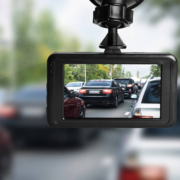
Proving a passenger injury claim requires obtaining the official police accident report, witness statements, and comprehensive medical records detailing your treatment. Dashcam footage, scene photographs, and expert testimony from accident reconstruction specialists can also establish exactly how the negligent driver caused your injuries.
The burden of proof rests entirely on you and your legal representatives. You must affirmatively demonstrate that the driver breached their duty of care. In urban environments like Pittsburgh, vital evidence disappears rapidly. Skid marks wash away in the rain, construction zones shift, and witnesses forget the precise details of what they saw.
Building a strong foundation for your claim requires aggressive evidence preservation. Key pieces of evidence include:
- 911 dispatch audio and the official Pittsburgh Bureau of Police crash report.
- Traffic camera footage from local municipalities is automatically overwritten before the system.
- Private security camera recordings from businesses along the accident corridor.
- Electronic data recorder downloads showing vehicle speed and braking patterns.
- Your complete medical file from your initial emergency room intake through your ongoing physical therapy sessions.
Insurance adjusters will heavily scrutinize your medical records, looking for any inconsistencies in your story. Allowing a professional to manage the evidence collection process protects your claim from these aggressive corporate tactics.
Rebuilding Your Life With Caroselli, Beachler & Coleman
The trauma of a violent collision echoes long after the shattered glass is swept from the roadway. The attorneys at Caroselli, Beachler & Coleman have the resources and local knowledge required to protect your rights. We untangle complex corporate liability disputes, identify every available insurance policy, and pursue the comprehensive compensation your physical recovery demands. We handle the heavy legal burden so you can focus all your energy on healing.
Contact us today to schedule a free, no-obligation consultation.
Frequently Asked Questions
If I was not wearing a seatbelt, can I still sue for my injuries?
Yes, you can still pursue a claim. Pennsylvania law specifically states that failing to wear a seatbelt cannot be used as evidence of contributory negligence in a civil trial to deny your claim entirely.
What happens if the driver who caused the crash was uninsured?
If the at-fault driver has no insurance, you can seek compensation through the Uninsured Motorist coverage on your own auto policy. If you do not have a policy, you may be eligible to claim benefits under the policy of the vehicle you were riding in.
Do I need to pay up front for an attorney to handle my passenger claim?
No, you do not need to pay out of pocket. We work on a contingency fee basis, meaning our payment is a percentage of the final settlement or verdict we recover for you.
Can I claim lost wages if I missed work because of the accident?
Yes, you can recover the income you lost while recovering at home. Your own auto policy’s income loss benefits pay first, and any remaining wage loss is claimed against the negligent driver’s liability insurance.
What if I were a passenger in an Uber or Lyft during the crash?
Rideshare companies are required to carry substantial commercial insurance policies to protect their passengers. Because you were in a commercial vehicle, you automatically receive full tort rights and can pursue compensation through the rideshare app’s corporate policy.
Does my health insurance cover my injuries before my auto insurance?
No, your auto insurance Personal Injury Protection coverage is the primary payer for your medical bills under state law. Your private health insurance only begins paying after your auto policy limits are completely exhausted.