How to Handle a Car Accident When the At-Fault Driver Was Borrowing Someone Else’s Vehicle
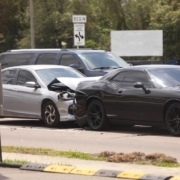
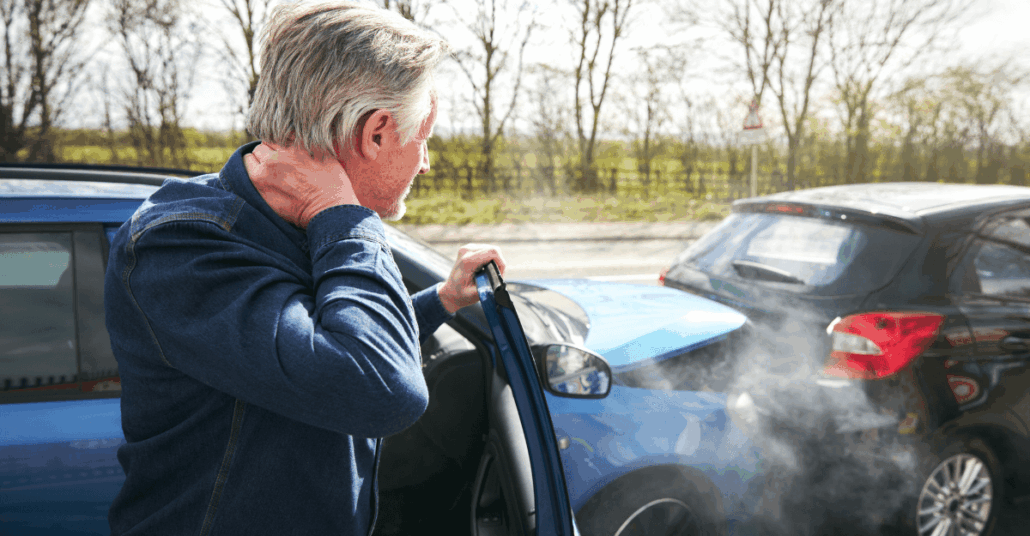
You are driving home on the Parkway West or navigating the chaotic merge onto the Liberty Bridge when traffic suddenly stops. You brake in time, but the car behind you does not. The impact jars you, leaving your vehicle damaged and your body aching. When you exchange information with the other driver, you notice a discrepancy: the name on the driver’s license does not match the name on the insurance card or the vehicle registration.
This situation creates immediate confusion. Who is responsible for the damages? Do you file a claim against the driver or the owner of the vehicle? Does your own insurance play a role? When a negligent driver causes a crash while operating a borrowed car, the legal and insurance landscape becomes significantly more complex than a standard two-party accident.
Immediate Steps to Take at the Scene
The moments following a collision are often a blur of adrenaline and stress. However, when the driver is not the owner of the vehicle, the information you gather at the scene becomes vital for untangling the insurance web later.
You should prioritize the following actions:
- Call the Police: Whether the accident occurred in downtown Pittsburgh, Ross Township, or Monroeville, request a police report. An officer will document the identity of the driver and the vehicle owner, which is a necessary step for establishing the facts.
- Document Both Parties: You need to collect information for two distinct parties. Get the driver’s name, address, phone number, and license number. Separately, get the name, address, and insurance policy number of the vehicle owner, which can usually be found on the registration and insurance card in the glove box.
- Clarify the Relationship: If safe to do so, ask the driver how they know the owner. Are they a family member, a friend, an employee, or a neighbor? This relationship impacts how insurance applies.
- Photograph Everything: Take pictures of the damage, the license plate, the other driver’s documents, and the surrounding area.
- Seek Medical Attention: Visit a local emergency room like UPMC Presbyterian or Allegheny General Hospital, or an urgent care center, even if you feel relatively fine. Symptoms often appear later.
The General Rule: Insurance Follows the Car
A common misconception among Pennsylvania drivers is that insurance follows the driver. In most scenarios, insurance follows the vehicle. This means the primary coverage for the accident typically comes from the insurance policy attached to the car itself, regardless of who was driving.
If the owner of the vehicle gave the driver permission to use the car, the owner’s liability coverage usually pays for your property damage and bodily injury (after your own Personal Injury Protection is exhausted). Most auto insurance policies contain an “omnibus clause.” This provision extends coverage to any person using the insured vehicle with the named insured’s express or implied permission.
Therefore, your first claim is generally filed against the insurance carrier of the vehicle owner, not necessarily the driver’s personal insurance company.
Determining Liability and Coverage Priority
Because the car owner is not the only potential source of recovery, identifying the order of insurance responsibility is key. In cases involving a borrowed car, coverage typically applies in a specific “waterfall” order.
The hierarchy of coverage generally flows as follows:
- Vehicle Owner’s Insurance (Primary): This policy is the first line of defense. It pays up to the policy limits for liability.
- Driver’s Insurance (Secondary): If the damages exceed the owner’s policy limits, the driver’s own auto insurance may step in as secondary or excess coverage, provided the driver carries a policy.
- Your Uninsured/Underinsured Motorist Coverage (UIM): If the combined limits of the owner’s and driver’s insurance are insufficient to cover your medical bills and pain and suffering, your own UIM coverage becomes relevant.
The Critical Concept of “Permissive Use”
For the owner’s insurance to cover the accident, the driver must have had “permissive use” of the vehicle. Insurance adjusters frequently investigate this aspect to determine if they can deny the claim.
Permission falls into two categories:
- Express Permission: The owner explicitly told the driver they could use the car (e.g., “You can take my truck to the hardware store”).
- Implied Permission: The relationship or past behavior suggests permission existed, even if not explicitly stated on that specific day (e.g., a teenager who regularly drives the family car or a roommate who swaps keys often).
If the insurance company can prove the driver took the car without permission—essentially stealing it or “joyriding”—the owner’s insurance may deny coverage. In that scenario, the driver would be personally liable, and you would likely need to rely on the driver’s insurance or your own Uninsured Motorist (UM) coverage.
Negligent Entrustment: Holding the Owner Directly Liable
While the owner is generally liable for the car’s operation via their insurance policy, there are situations where the owner is legally responsible for their own negligence in handing over the keys. This legal theory is known as “negligent entrustment.”
To succeed in a negligent entrustment claim in Pennsylvania, you must demonstrate that the owner knew, or should have known, that the driver was incompetent, reckless, or unfit to drive at that time.
Examples of negligent entrustment include:
- Lending a vehicle to a driver known to be intoxicated or under the influence of drugs.
- Allowing an unlicensed minor to operate the vehicle.
- Lending a car to someone with a history of reckless driving or license suspension.
- Permitting an elderly relative with known cognitive or visual impairments to drive.
If negligent entrustment is proven, the owner faces direct liability for their poor judgment, which can open up additional avenues for compensation beyond standard policy limits.
Pennsylvania No-Fault Rules and Medical Bills
Pennsylvania operates under a “choice no-fault” system. This complicates matters regardless of who was driving the at-fault vehicle. Before seeking compensation from the at-fault driver or the vehicle owner for pain and suffering, you must address your immediate medical needs.
First-Party Benefits (PIP): regardless of fault, your own auto insurance acts as the primary payer for your medical bills up to your coverage limit (the minimum is $5,000). This applies even if the other driver was 100% responsible.
Tort Options: Your ability to sue for non-economic damages (pain and suffering) depends on whether you selected “Full Tort” or “Limited Tort” on your own policy.
- Full Tort: You retain the right to seek financial compensation for pain and suffering regardless of the injury severity.
- Limited Tort: You generally cannot recover for pain and suffering unless your injuries meet the legal definition of “serious impairment of body function” or if a specific exception applies.
One important exception relates to the borrowed car scenario: if the at-fault driver is convicted of DUI or if the vehicle is registered in another state, limited tort drivers may automatically regain full tort rights.
The Problem of Minimum Limits and Stacking
A frequent issue in borrowed car accidents is inadequate insurance. Often, people who borrow cars do so because they do not own one or cannot afford one, and the owner of the borrowed car may only carry the state minimum liability coverage ($15,000 per person / $30,000 per accident in Pennsylvania).
If you suffer a severe injury, $15,000 will likely not cover your losses. This is where the concept of “stacking” and Underinsured Motorist (UIM) coverage becomes vital.
- Excess Coverage: If the owner’s policy is exhausted, we look to the driver’s policy.
- UIM Claims: If both the owner’s and driver’s policies are insufficient, you file a claim against your own UIM coverage. In Pennsylvania, stacking allows you to combine coverage limits for multiple vehicles on your policy to increase the available pool of funds.
Rental Cars and Company Vehicles
The rules shift slightly if the borrowed vehicle is a rental car or a company vehicle.
- Rental Cars: Under a federal law known as the Graves Amendment, rental car companies are generally not vicariously liable for the negligence of their renters, provided the company itself was not negligent (e.g., renting to an unlicensed driver or renting a defective car). In these cases, you must look primarily to the renter’s insurance or the supplemental insurance purchased at the rental counter.
- Company Vehicles: If the at-fault driver was driving a company car within the scope of their employment, the employer is usually liable under the doctrine of respondeat superior. Commercial policies typically have much higher limits than personal policies, which can be beneficial for victims with catastrophic injuries.
Common Defenses and Challenges
Insurance companies are profit-driven entities. When facing a claim involving a borrowed car, they often attempt to shift blame or deny coverage entirely to minimize their payout.
You may encounter these common defenses:
- Non-Permissive Use Argument: The owner’s insurer claims the driver stole the car or exceeded the scope of permission (e.g., “I said he could drive to the store, not to another state”).
- Excluded Driver: Some policies specifically list individuals who are excluded from coverage. If an excluded household member drives the car and causes a crash, the insurer will likely deny the claim.
- Frolic and Detour: In company car cases, the employer may argue the employee was running a personal errand and was not “on the clock” at the time of the crash.
Why Legal Assistance Matters in These Cases
Accidents involving borrowed vehicles introduce layers of bureaucracy that can overwhelm individuals trying to recover from physical injuries. You are not just dealing with one hostile insurance adjuster; you may be dealing with three or four different insurance carriers, each pointing the finger at the others.
An experienced legal team investigates the specific facts to:
- Verify the existence and limits of all applicable insurance policies.
- Interview witnesses to establish permissive use.
- Investigate the background of the driver to check for negligent entrustment issues.
- Navigate the complex Pennsylvania tort thresholds and UIM provisions.
Contact Our Pittsburgh Car Accident Lawyers
If you were injured by a driver operating someone else’s vehicle, you should not have to fight for compensation alone. The nuances of permissive use, negligent entrustment, and insurance priority require a knowledgeable approach to ensure you are not left paying for someone else’s mistake. The attorneys at Caroselli, Beachler & Coleman have spent decades representing injured individuals in Western Pennsylvania. We possess the resources to untangle complex insurance disputes and the determination to pursue the maximum compensation available for your medical bills, lost wages, and pain and suffering.
Contact our office today at 866-565-4949 or complete our online form to schedule a free, no-obligation consultation. We are here to help you determine the best path forward for your recovery.