Ghost Drivers in Pittsburgh: The Emerging Risks of Self-Driving Car Accidents
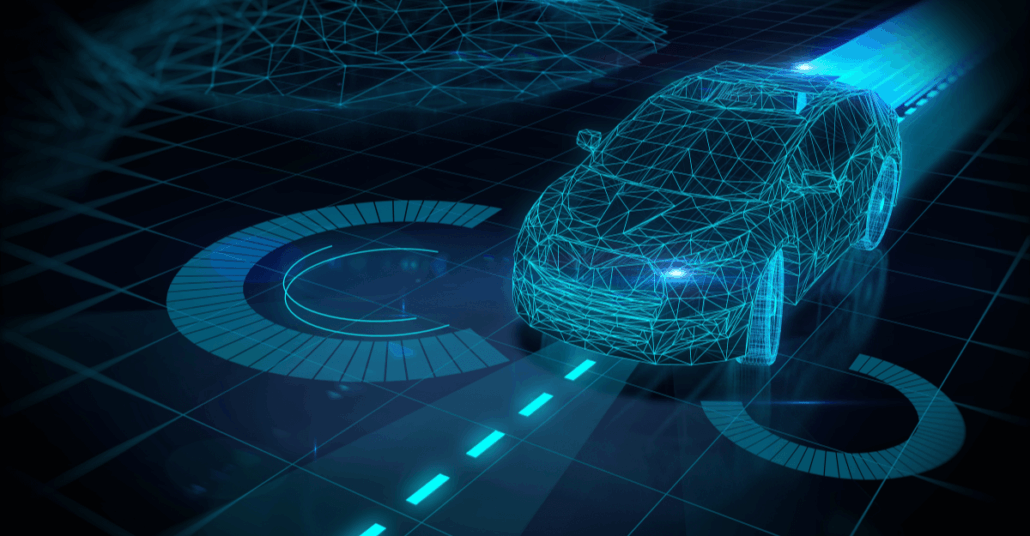
It is an odd sight on the streets of Pittsburgh—a vehicle moving with traffic, stopping at lights, and navigating turns with no one in the driver’s seat.
For years, our city has been a proving ground for autonomous vehicle technology, with self-driving cars mapping the challenging inclines of the South Hills or crossing the Fort Pitt Bridge alongside human drivers.
We are told this technology will create a safer future, one free from the distractions and errors that cause the vast majority of collisions. But what happens when that future arrives, and the technology itself fails? What happens when a car with a “ghost driver” causes a serious accident?
The aftermath of any vehicle accident is disorienting, but a collision with a driverless car introduces a layer of complexity that few are prepared for. There is no driver to exchange insurance information with, no individual to assess for impairment or distraction. Instead, victims are left facing a complex web of corporate entities, from the vehicle’s manufacturer to the developers of its intricate software.
What Exactly Is a Self-Driving Car? The Levels of Automation
The term “self-driving” covers a wide spectrum of technology, and not all automated systems are created equal. The Society of Automotive Engineers (SAE) has established a widely accepted scale to classify the different levels of driving automation. Gaining a basic familiarity with these levels is important for sorting out how an accident may have happened.
- Level 0: No Driving Automation. The human driver performs all driving tasks. The vehicle may have safety features like automatic emergency braking, but it does not drive itself.
- Level 1: Driver Assistance. The vehicle can assist with either steering or braking/accelerating, but not both at the same time. Adaptive cruise control is a common example. The driver remains in full control.
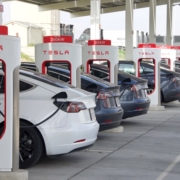
- Level 2: Partial Driving Automation. The vehicle can control both steering and braking/accelerating simultaneously under certain conditions. These are advanced driver-assistance systems (ADAS), like Tesla’s Autopilot. The driver must remain fully engaged and ready to take over at any moment. Most “self-driving” cars currently available to the public fall into this category.
- Level 3: Conditional Driving Automation. The vehicle can manage most aspects of driving, allowing the driver to take their hands off the wheel and their eyes off the road. However, the system will prompt the human to take back control when it encounters a situation it cannot handle.
- Level 4: High Driving Automation. The vehicle can perform all driving functions under specific conditions (e.g., within a certain geographic area or during daylight hours) and will not require a human to take over in those environments. This is a truly driverless car within its operational domain.
- Level 5: Full Driving Automation. The vehicle can perform all driving functions under all conditions that a human driver could. This is the ultimate goal of autonomous technology and is not yet available.
Are Autonomous Vehicles Operating in Pittsburgh?
Yes. For more than a decade, Pittsburgh has been a key center for robotics and autonomous vehicle research, largely thanks to the groundbreaking work at institutions like Carnegie Mellon University’s National Robotics Engineering Center. Companies have used our city’s streets, with their complex intersections, steep hills, and unpredictable weather, as a real-world testing environment.
While personal ownership of fully autonomous (Level 4 or 5) vehicles is not yet a reality, residents and visitors in Pittsburgh may encounter:
- Testing Vehicles: Cars owned by technology companies and automakers, often equipped with visible sensors and branding, that are actively collecting data and refining their systems.
- Automated Shuttles: Some areas may utilize low-speed autonomous shuttles for transport within a limited, well-defined route.
- Commercial Trucks: Automation is also being heavily tested in the long-haul trucking industry, and it is possible to see semi-autonomous commercial trucks on highways like the Pennsylvania Turnpike.
What Causes an Autonomous Vehicle to Crash?
Human error—distraction, fatigue, impairment—is behind most conventional car accidents. With autonomous vehicles, the causes are entirely different, rooted in the technology itself. A crash may be triggered by one or more of the following failures:
- Sensor and Hardware Malfunction: A self-driving car “sees” the world through a suite of sensors, including LiDAR, radar, and cameras. If any of these components fail, get blocked by snow or debris, or malfunction, the vehicle can lose its ability to perceive its surroundings correctly.
- Software and Algorithmic Errors: The vehicle’s brain is its software. A coding bug, a flawed algorithm, or a failure in its decision-making logic can cause it to misinterpret a situation, fail to recognize a hazard, or make an unsafe maneuver.
- Inability to Handle “Edge Cases”: An “edge case” is an unusual, unexpected event on the road that the vehicle’s programming was not designed to handle—for example, a pedestrian chasing a ball into the street, unusual hand signals from a traffic officer, or complex debris from a prior accident.
- Weather and Environmental Challenges: Heavy rain, snow, or fog can interfere with sensor performance. Faded lane markings, construction zones, or the shadows cast by Pittsburgh’s many bridges and overpasses can also confuse a vehicle’s perception systems.
- Misinterpretation of Human Behavior: Predicting the actions of human drivers, cyclists, and pedestrians is one of the greatest challenges for AI. An AV might fail to anticipate a driver making a sudden, aggressive lane change or a pedestrian stepping off a curb.
- Cybersecurity Breaches: The possibility of a vehicle’s systems being hacked and controlled by a malicious third party is a serious concern. A hacker could potentially cause an accident by disabling brakes or forcing the car into another lane.
Who Is Liable When a Driverless Car Causes an Accident?
This is the central question in any AV accident claim and one of the most complex emerging areas of personal injury law. Unlike a typical two-car collision where you determine which driver was negligent, an AV accident can have multiple at-fault parties. Liability is not a simple matter and often involves principles of product liability law.
Potential defendants in a self-driving car accident lawsuit include:
- The Vehicle Manufacturer: If the accident was caused by a defect in the car’s physical components or the way its systems were integrated, the manufacturer could be held liable under a product liability theory.
- The Software Developer: The company that designed the AI, machine learning algorithms, and decision-making software could be responsible if a glitch or flaw in their code led to the crash. This may be a separate entity from the car manufacturer.
- The Component Part Manufacturer: If a specific sensor, camera, or computer chip failed, the company that produced that single component could be held liable.
- The Owner or “Operator”: For Level 2 or 3 systems, the human in the vehicle still has responsibilities. If they were using the system improperly (e.g., sleeping while an ADAS was engaged) or failed to take over when prompted, they may bear some or all of the fault.
- Maintenance and Repair Providers: A company that improperly serviced the vehicle’s automated systems or failed to correctly calibrate sensors after a repair could be found negligent.
Determining fault requires a deep technical investigation to pinpoint exactly where the failure occurred—in the hardware, the software, the maintenance, or the actions of the human operator.
How Does Pennsylvania Law Address Self-Driving Car Accidents?
Pennsylvania law is still adapting to the rise of autonomous vehicles. While lawmakers have passed legislation to create frameworks for the testing of AVs, the laws governing liability for accidents are largely based on existing legal principles that must be applied to this new technology.
A claim will likely proceed under one of two primary legal theories:
- Negligence: This is the standard theory in most car accident cases. To prove negligence, a victim must show that a party had a duty of care, breached that duty, and that this breach caused the victim’s injuries. This could apply to a human driver who misused an ADAS or a maintenance shop that performed a faulty repair.
- Product Liability: This is the more likely path when the technology itself is at fault. In Pennsylvania, a product liability claim can be based on a manufacturing defect (a flaw in a specific car’s hardware), a design defect (the software’s core programming was inherently unsafe), or a failure-to-warn (the company did not provide adequate instructions or warnings about the system’s limitations).
Because the law is evolving, these cases require a legal team that can make compelling arguments by applying long-standing legal principles to cutting-edge technology.
What Kind of Evidence Is Important in a Driverless Car Accident Case?
The evidence in an AV case is far more technical than in a traditional accident. The vehicle itself is the most important witness. Preserving and analyzing its data is paramount. Key pieces of evidence include:
- Electronic Data Recorder (EDR) Data: Often called the “black box,” the EDR records critical information about the vehicle’s speed, braking, steering, and other parameters in the moments before a crash.
- Sensor and Video Logs: The autonomous system constantly records data from its cameras, LiDAR, and radar. This footage provides a detailed, moment-by-moment account of what the car “saw” and how it reacted.
- Manufacturer and Software Data: The developer has extensive internal data logs that document the software’s performance, any faults it detected, and the decisions its algorithms made. Obtaining this proprietary data is often a major legal challenge.
- Eyewitness Testimony: The accounts of other drivers, passengers, and pedestrians are still very valuable for providing context and describing how the event unfolded from a human perspective.
- Physical Evidence and Accident Reconstruction: The location of vehicle damage, skid marks (or lack thereof), and debris at the scene can help experts reconstruct the sequence of events.
- Expert Witness Analysis: Cases like these rely heavily on testimony from experts in fields like software engineering, artificial intelligence, sensor technology, and accident reconstruction to interpret the complex data and explain the failure to a judge and jury.
What Compensation Can Victims of an AV Accident Pursue?
Individuals injured by a malfunctioning autonomous vehicle are entitled to seek the same types of compensation, or damages, as victims of any other motor vehicle accident. The goal of a personal injury claim is to make the victim whole again by providing financial resources to cover the losses they have suffered.
Compensation can be sought for:
- Medical Expenses: This includes all costs for medical care related to the accident, such as emergency services, hospital stays, surgeries, physical therapy, medication, and any anticipated future medical needs.
- Lost Wages: Compensation for the income you lost while unable to work during your recovery.
- Diminished Earning Capacity: If your injuries prevent you from returning to your previous job or limit your ability to earn an income in the future, you can seek damages for this long-term loss.
- Pain and Suffering: Compensation for the physical pain, emotional distress, and mental anguish caused by the accident and your injuries.
- Property Damage: The cost to repair or replace your vehicle and any other personal property that was damaged in the collision.
In the tragic event that a loved one is killed in an accident with a driverless car, their family can file a wrongful death claim to seek compensation for funeral expenses, lost financial support, and the loss of their family member’s companionship.
How Can an Attorney Help Navigate These Complex Claims?
Pursuing a claim against a technology giant or global automaker is an intimidating prospect. These companies have vast legal and financial resources to defend themselves. A law firm concentrating on serious injury cases can level the playing field.
An attorney can help by:
- Leading a Prompt and Thorough Investigation: Immediately taking steps to preserve the vital electronic data from the autonomous vehicle before it can be altered or erased.
- Engaging Leading Technical Experts: Working with highly qualified specialists who can analyze the vehicle’s data and pinpoint the exact cause of the technological failure.
- Identifying All Potentially Liable Parties: Unraveling the complex relationships between manufacturers, software developers, and other entities to ensure every responsible party is held accountable.
- Managing Communications: Handling all interactions with corporate representatives and insurance companies on your behalf.
- Calculating the Full Extent of Your Damages: Working with medical and financial experts to document the complete impact the injury has had on your life and future.
- Building a Case for Trial: Preparing a strong, evidence-based case to negotiate a fair settlement or, if necessary, to present your case effectively in court.
Contact Our Pittsburgh Car Accident Attorneys for Guidance
The introduction of autonomous vehicles on Pittsburgh’s roads represents a major shift in transportation, but technological progress should not come at the expense of public safety. When these systems fail and people are injured, victims deserve accountability.
The team at Caroselli, Beachler & Coleman has been fighting for the rights of injured people in Pittsburgh and across Pennsylvania for decades. We are committed to providing diligent and compassionate representation to help our clients secure the resources they need to rebuild their lives.
If you or a loved one has been injured in an accident involving a self-driving or autonomous vehicle, we invite you to contact us for a free, confidential consultation. Let us help you evaluate your options and determine the right path forward. Contact our office today at 866-565-4949 or complete our online form to discuss your case.